Student Profile: Marie Engle, Aria Competition Winner
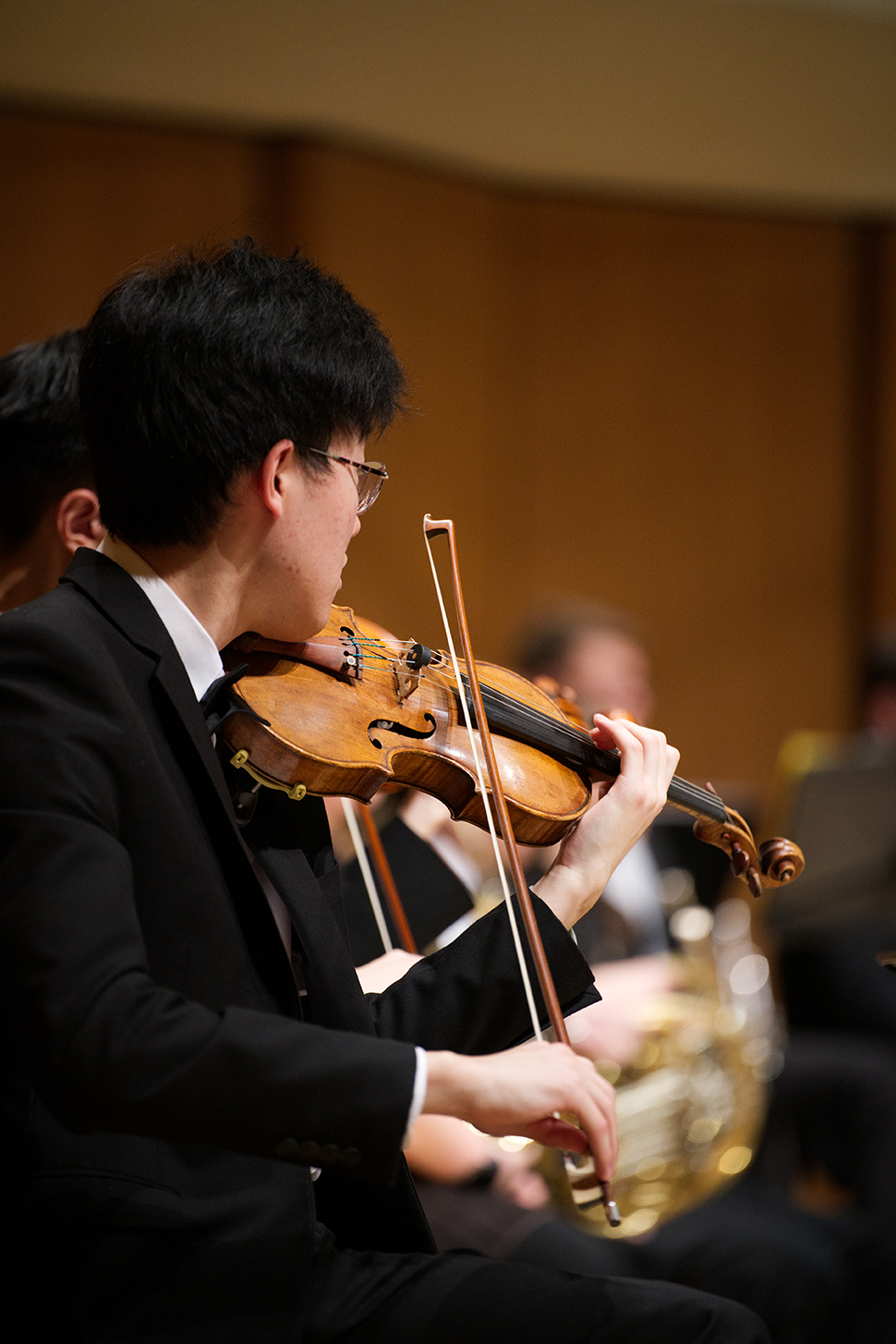
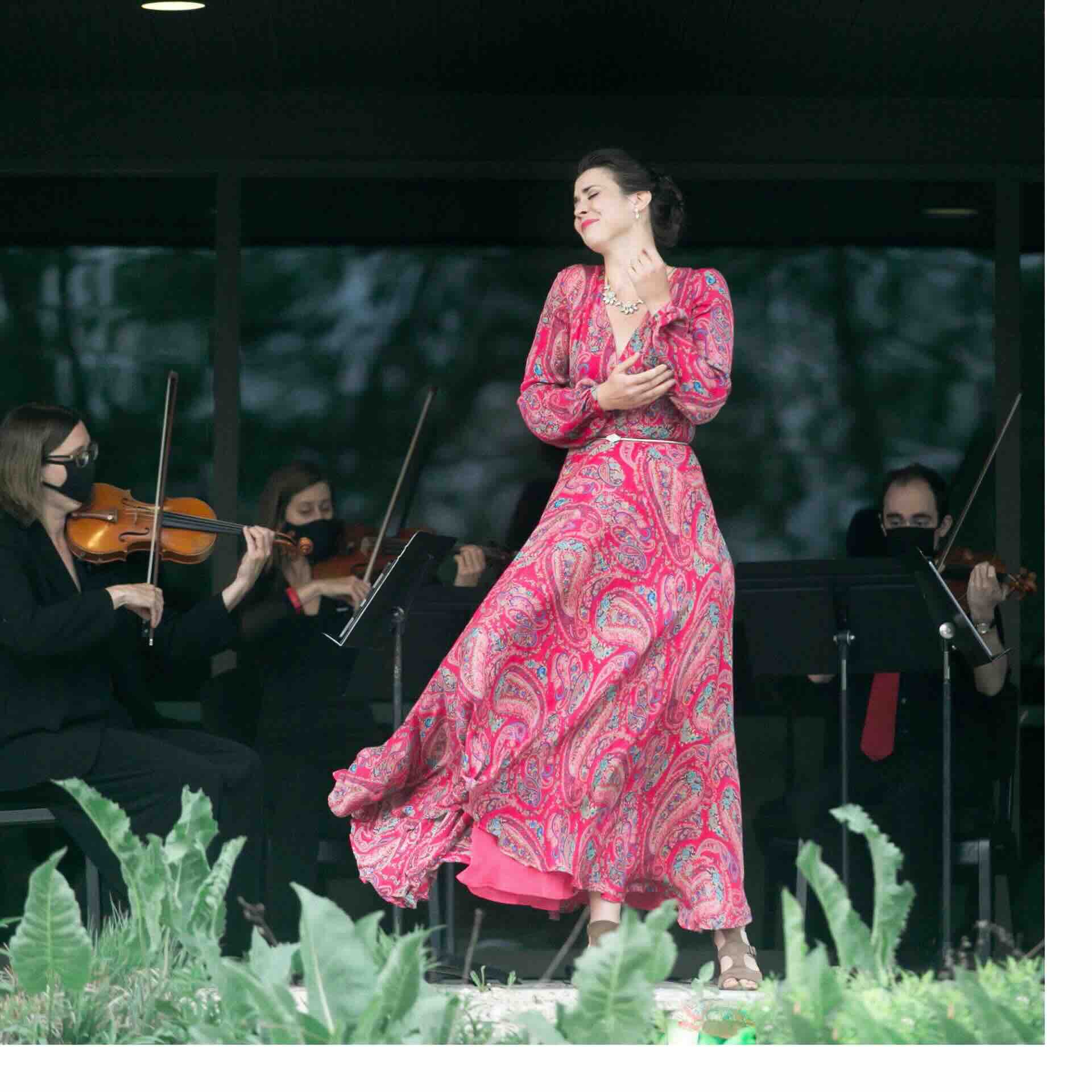
Marie Engle, a 2025 winner of Northwestern's Concerto/Aria Competition, recently sat down for an interview about her upcoming concert. Marie will be singing Francis Poulenc's one-act opera La voix humaine with the Northwestern University Chamber Orchestra on February 5 at 7:30 p.m. in Pick-Staiger Concert Hall.
 How would you describe your experience at the Bienen School of Music so far?
For me, it is a return to the Bienen School of Music. I was here as an undergraduate from 2011-2015, enjoying the delightful Music Administration Building across South Campus. Choosing to return was very intentional, based on core experiences in program philosophy between the two schools I applied to for my DMA, both of which I had previously attended. I wanted the freedom that Bienen offered to pursue my own, already well-formed interests in addition to access to non-music courses and students. I have found that working with W. Stephen Smith and within the requirements of my program, has allowed me to grow and flourish in my performing, teaching and research interests.
How did you approach working on this piece?
I had already decided to perform Poulenc’s La voix humaine with piano for one of my doctoral recitals (last May). It is a piece that is performed far less often with orchestra, but the orchestral writing is so rich and such an integral part of the storytelling. I wanted to dig deeply into both the character and the music, so I devised an independent study focused on an experimental way of approaching this piece for a modern, English-speaking audience. I came up with the idea to perform an improvised monologue that would [introduce] the character [to] the audience before they heard a note of music or French language. The project was hugely successful and a more in-depth description and the recording are available on my website, marieengle.com.
Is there anything in particular that the audience should listen for in this piece, or anything that makes this piece unique?
This piece is unique in many ways, but I would highlight the very human, very personal manner in which the story is told. The audience is watching a very intimate conversation between a woman and her ex-lover. Poulenc brilliantly shifts the music between recitative-style writing and more emotive aria-like writing. Rather than doing this every three minutes or so, as you might hear in a Mozart opera, Poulenc’s switches happen quite rapidly, more like in Monteverdi opera or like in real life, as our own brains switch quickly to and from communicating information and communicating emotion. This is also possible thanks to the brilliant crafting of the script by Jean Cocteau. If the audience is brave, they will not read the translation while the piece is being performed; rather, they will listen closely to the information Poulenc gives them in the music. I think they will find that they are not nearly as lost as they think they might be.
What is something you’re looking forward to in the rest of your time at Bienen or after graduation?
I am really looking forward to digging into my doctoral research and final doctoral recitals next year. I will be researching the connections between improvised comedy and the birth of opera during the Renaissance and how that connection can inform modern musical-storytelling in a way that is relevant to audiences from a more diverse demographic than is currently being served. I will be continuing my own improv comedy training in Chicago and continuing to integrate that with my musical studies at Bienen.
What's a fun fact about yourself?
I have been preparing this opera simultaneously with preparing another major French opera. Please come see Carmen in three weeks! I will be singing the role of Carmen for the Thursday, February 26th and Saturday, February 28th performances.